The Fire Victims of Vischering Castle
The Story
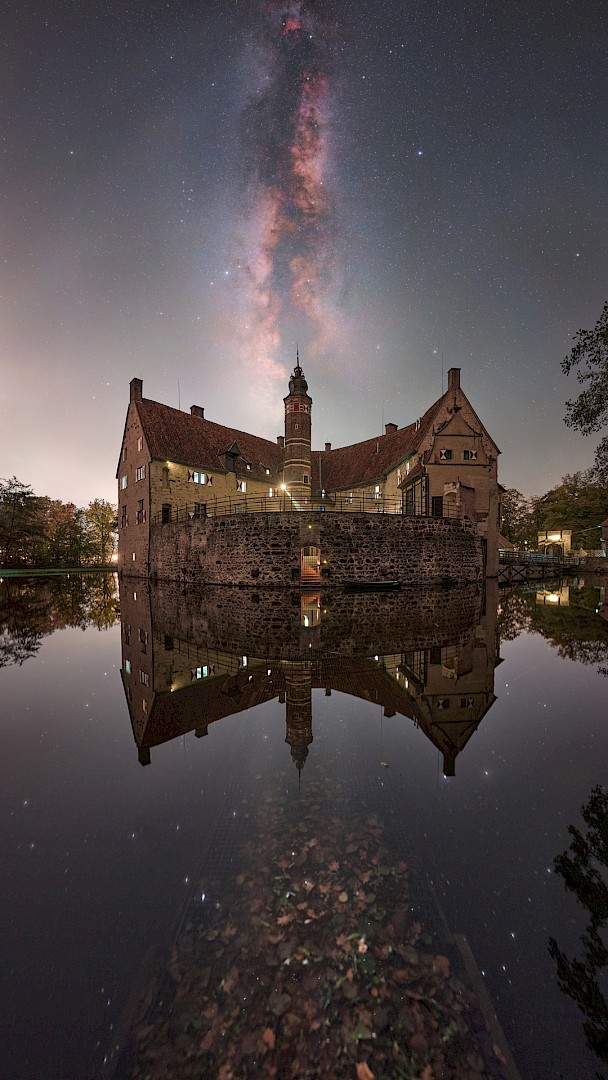
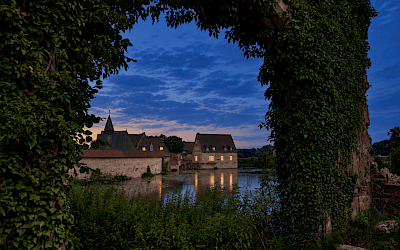
In the legend of Vischering Castle in Lüdinghausen, the eerie memory of the great fire of 1521 still hangs over the moated castle.
The castle, which at that time was even more of a fortified structure, is said to have been engulfed in flames that night. Smoke filled the rooms, beams crashed, and doors and hallways became traps. According to tradition, people were trapped inside the castle and never found their way out.
Ever since then, so the story goes, the victims of the fire return on the night of the great fire.
When darkness falls and the castle lies silent in its moat, footsteps, wails, or a distant cry of “
” are said to be heard.
Restless Souls
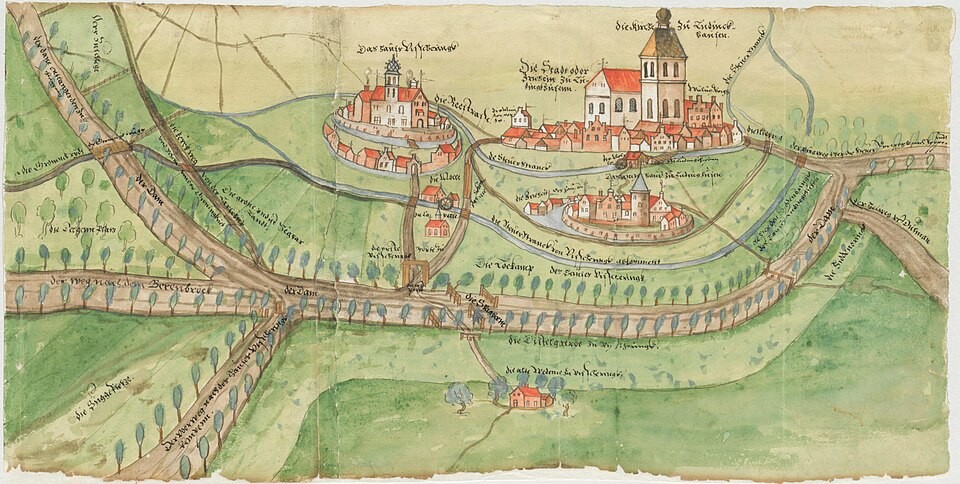
The fire of 1521 is historically documented and ranks among the major turning points in the castle’s architectural history. The devastating fire destroyed large parts of the castle. It was subsequently rebuilt and modernized in the Renaissance style. However, it is impossible to determine to what extent this fire influenced the subsequent reconstruction of the main castle or why the fire broke out.
As is typical of European legends, a real historical event forms the core of this story, which was further developed through a supernatural legendary motif: The motif of the ghosts of fire victims is widespread: people who are said to have died in a sudden or violent disaster cannot find peace and remain bound to the site of their death as revenants. In the case of Vischering Castle, these apparitions are not regarded as malevolent beings, but rather as restless shadows of a past catastrophe—a memory that has been preserved in the collective memory of a town.
Did you know...
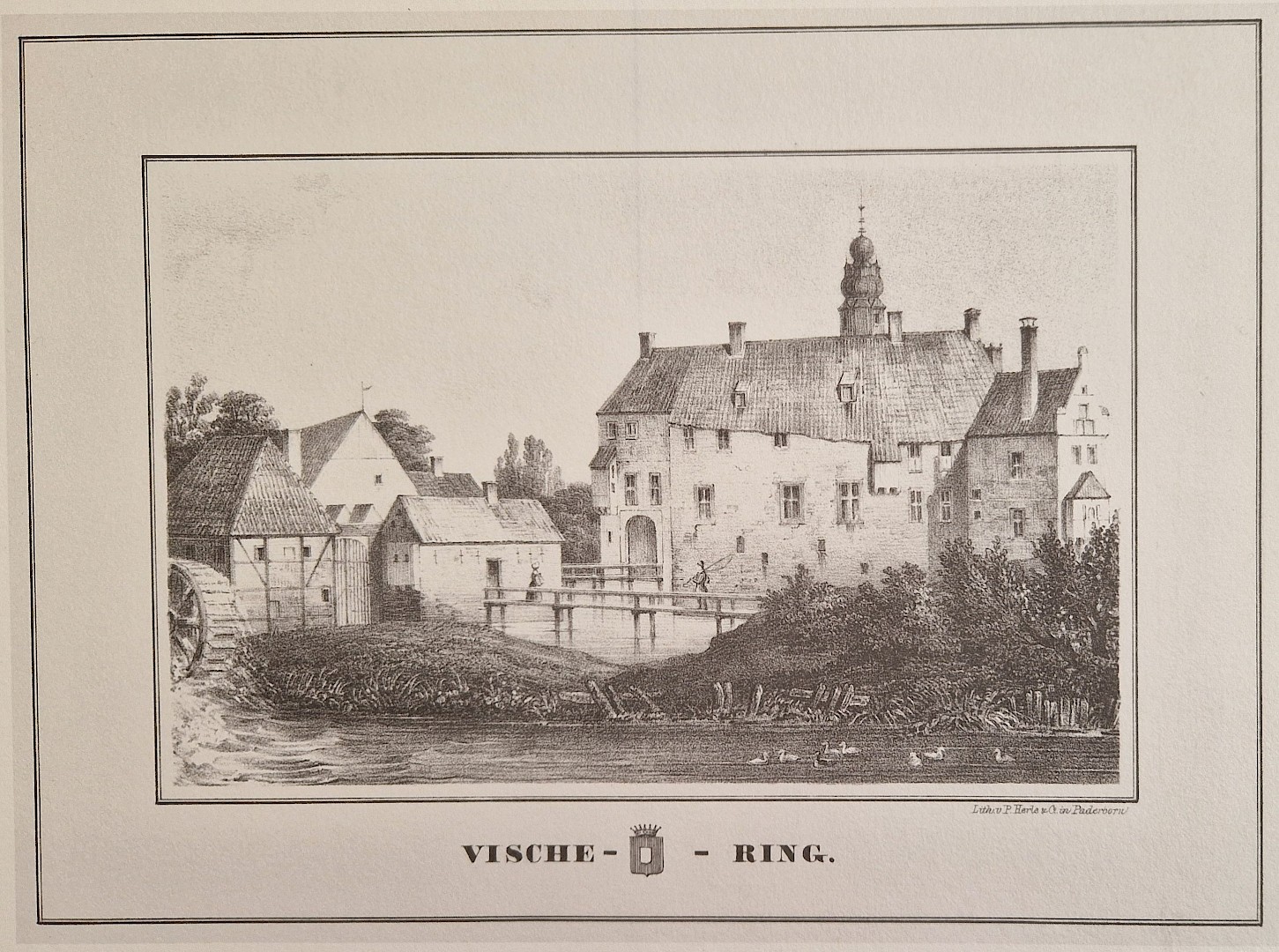
...that it was solely due to a feud between the Prince-Bishop of Münster —Gerhard von Mark— and the lords of Lüdinghausen —the knights Hermann I and his brother Bernhard—that Vischering Castle was built?
When the two lords of Lüdinghausen built Wolfsberg Castle without the prince-bishop’s consent, the prince-bishop had Vischering Castle built in Lüdinghausen in 1271.
Built on a foundation of piles, the fortified complex consisted of residential and farm buildings situated on separate islands in the midst of an extensive system of moats. The imposing round castle, with its drawbridge, embrasures, and battlements, served as the diocese’s last bastion of defense.
It is thanks to its origins that today’s Vischering Castle stands as such a special gem of Renaissance architecture and one of the most popular photo subjects in the Münsterland region, for its round, enclosed, and fortified foundation has always been preserved.