The Boy Who Disappeared at Raesfeld Castle
The Story

The history of Raesfeld Castle dates back to the early 12th century. At 52.5 meters, the castle’s tower is the tallest of any castle in Westphalia.
Yet a dark legend is told there about a young heir to the castle who once fell gravely ill and then disappeared under mysterious circumstances. Ironically, the family’s esteemed personal physician and a violent thunderstorm play a central role in the story.
The doctor treated the boy, after which both vanished without a trace. According to tradition, a severe thunderstorm is said to have damaged the castle so badly that a wall collapsed, revealing the boy’s remains. There was still no sign of the doctor...
Walled In and Rediscovered
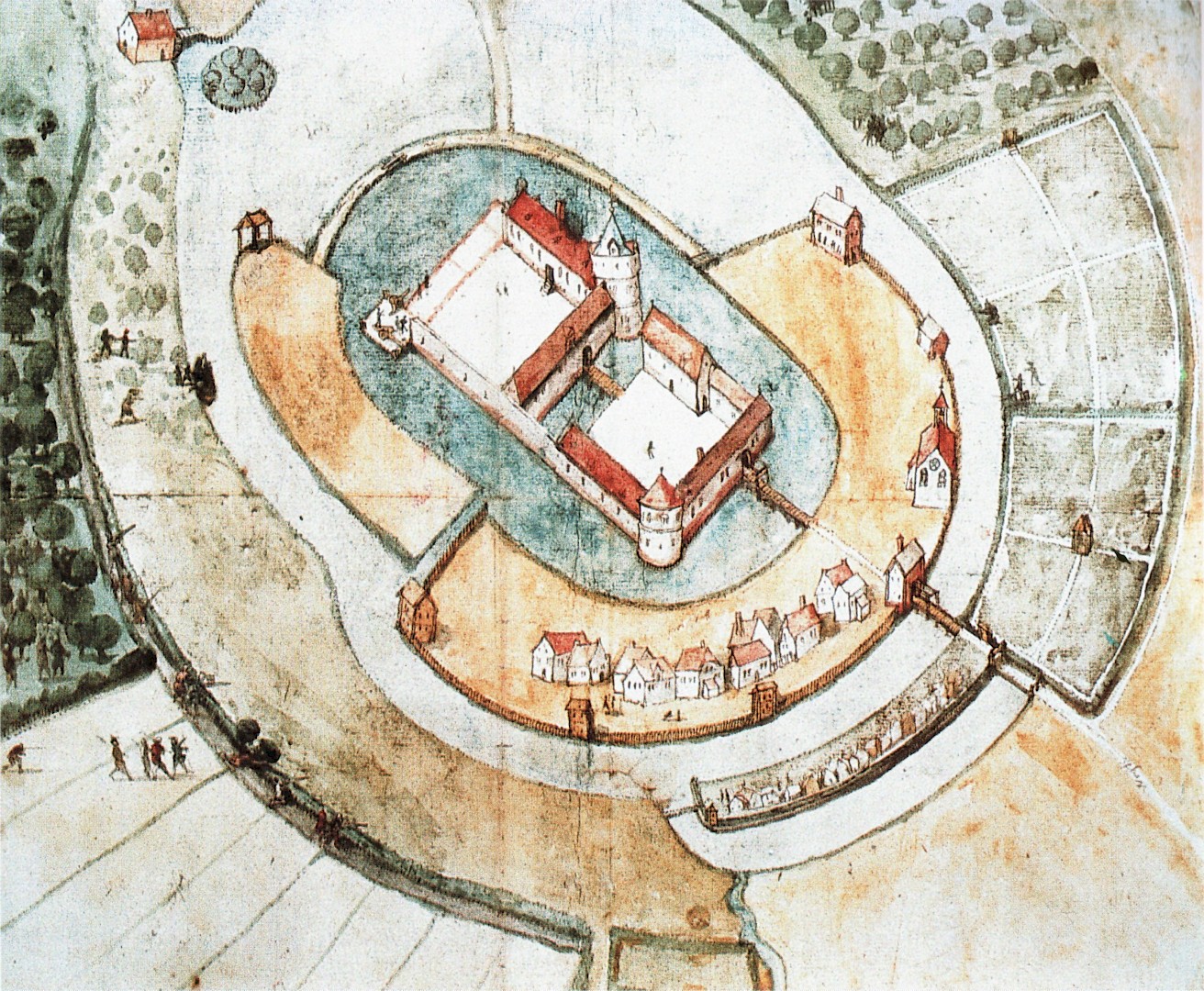
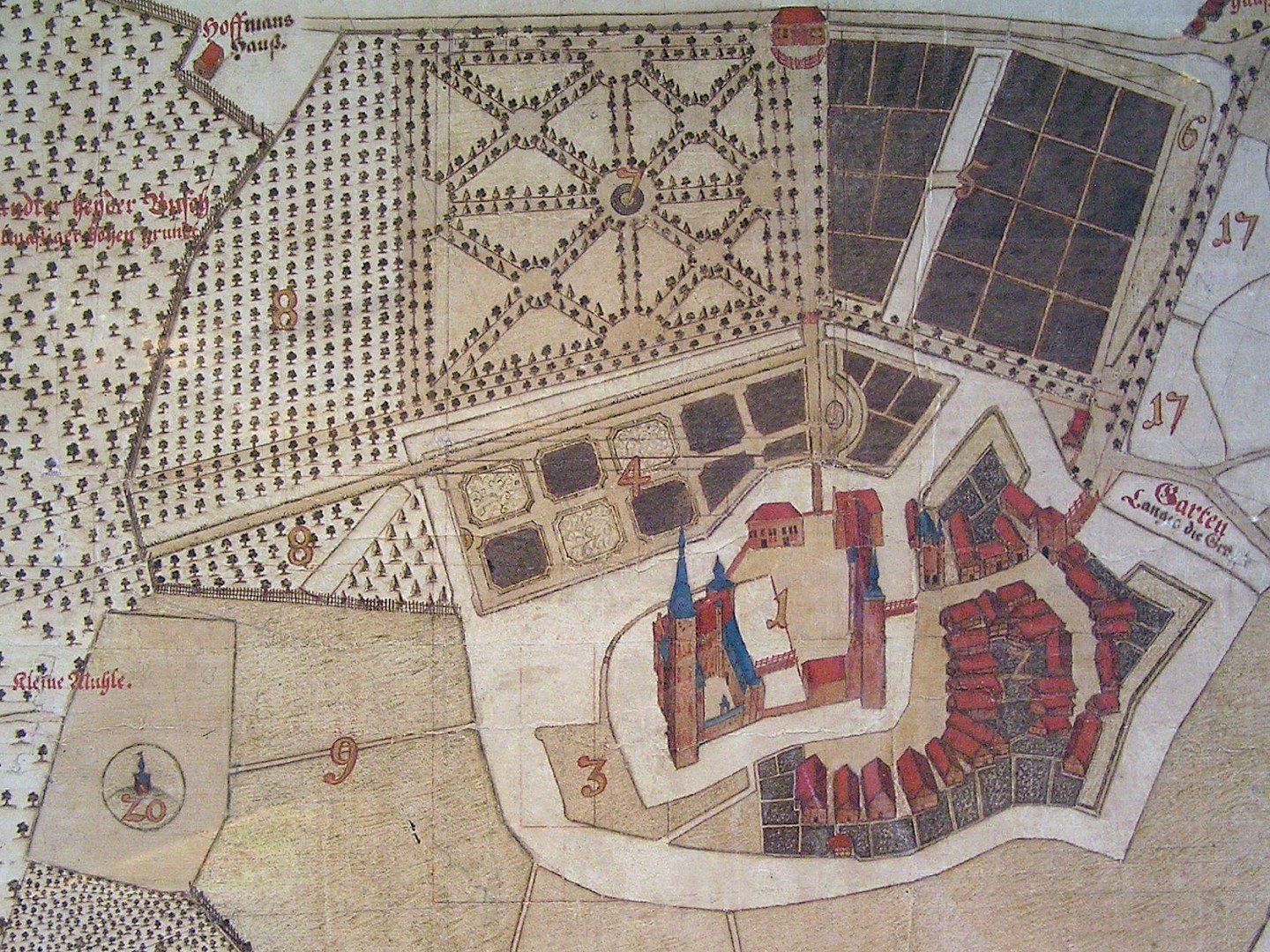
The motif of a person treacherously walled up appears in various European legends and folklore. Walls, cellars, and hidden rooms in castles and palaces thus become places where a crime remains undiscovered for a long time. Often, the truth only comes to light by chance, during renovations, or when part of a building collapses.
The Raesfeld legend combines this motif with the disappearance of a young heir. The role of the personal physician is particularly significant here: of all people, the very person entrusted with the boy’s protection and care is said to have been responsible for his death.
It is precisely the combination of a missing child, a treacherous personal physician, a walled-up corpse, and a thunderstorm that makes the story particularly compelling. In it, Raesfeld Castle becomes not only the setting but also the very embodiment of the secret.
Did you know that...
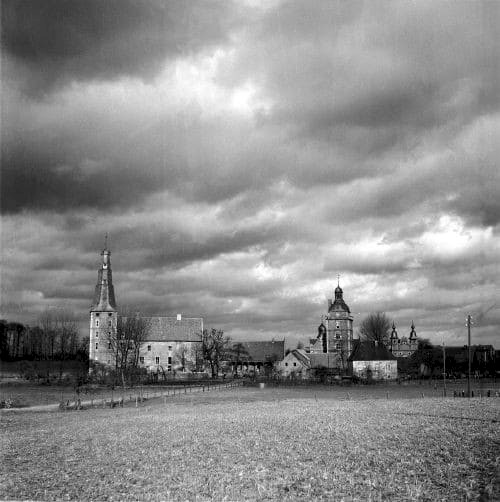
...that it was often real deaths that fueled such horror stories? At Raesfeld Castle, too, there were historical events that could have served as the inspiration for the story of the missing heir:
Unfortunately, heirs who died young also shaped the history of Raesfeld Castle: With the death of Johann V in 1559, the male line of the Lords of Raesfeld came to an end. In 1733, the Raesfeld branch of the Counts of Velen also died out when Alexander III and his son Alexander IV, who was only about 16 years old, passed away. In the patriarchal aristocracy, male descendants, as “heirs to the family line,” were of central importance for the continuation of the family line and succession. The early death of such heirs could trigger fears, rumors, and inheritance disputes—and possibly provide fertile ground for ghost stories. However, there is no evidence of a direct connection between these deaths and the legend of the vanished boy.