The Curse of Pröbsting Manor
The Story

At Haus Pröbsting near Borken-Hoxfeld, two legends are told: one about a White Lady, and the other about a curse said to be connected to the line of succession at the noble estate.
According to the legend, the house was bequeathed to the only daughter, contrary to the intended male line of succession. It was said that the enraged mother, of all people, then cursed the estate. A scribe who drafted the will is also said to have fallen victim to the curse. Since then, changes in ownership and misfortunes within the families who owned the estate have been interpreted as consequences of this curse.
In addition, Haus Pröbsting is also home to a legendary “White Lady.” She is said to appear at midnight. A bizarre detail is the parasol she uses to float silently over the estate. Who this figure might have been and whether her appearance was originally connected to the curse leaves many questions unanswered.
Thus, various tales of inheritance, misfortune, and a mysterious apparition are intertwined around Pröbsting House.
One Curse, Many Motives
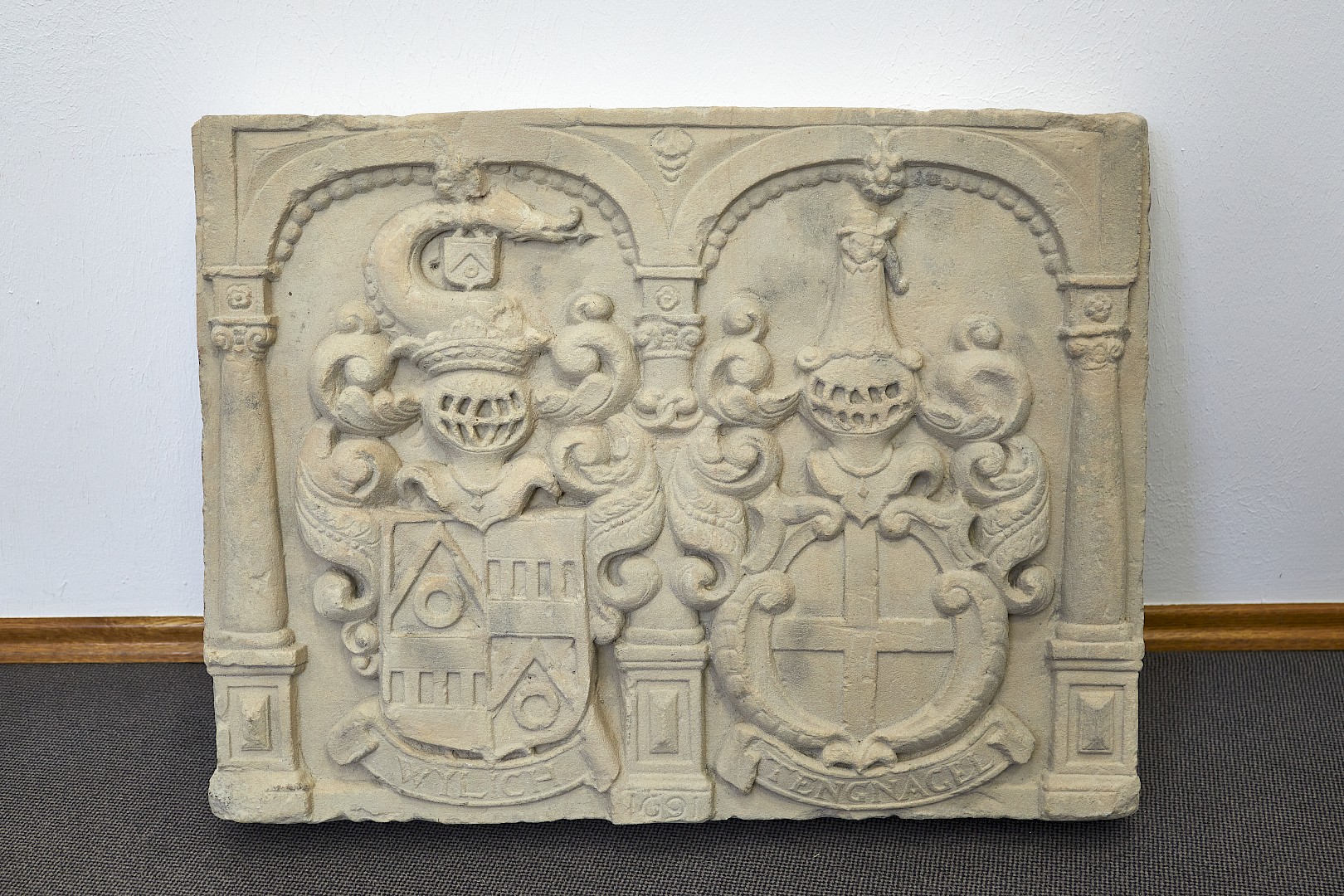
The Curse of Haus Pröbsting combines typical motifs from European legends: a disruption of the natural order has consequences that span generations; the family’s fate is bound to the ancestral home; and only a specific action can put an end to the calamity. Such motifs are also common in Westphalia, such as the deceased who cannot rest in peace because of a debt.
Another motif is the White Lady, one of Europe’s most famous castle ghosts. Often associated with a noble family, her apparition heralds death or other misfortune.
What makes Pröbsting unique is that the curse stems from a rule of inheritance. A noblewoman is said to have cursed the house out of anger over the female line of succession, ensuring that no owner could remain there permanently.
A patriarchal message can be discerned here: a deviation from male-line succession brings misfortune upon the entire family.
Did you know that...
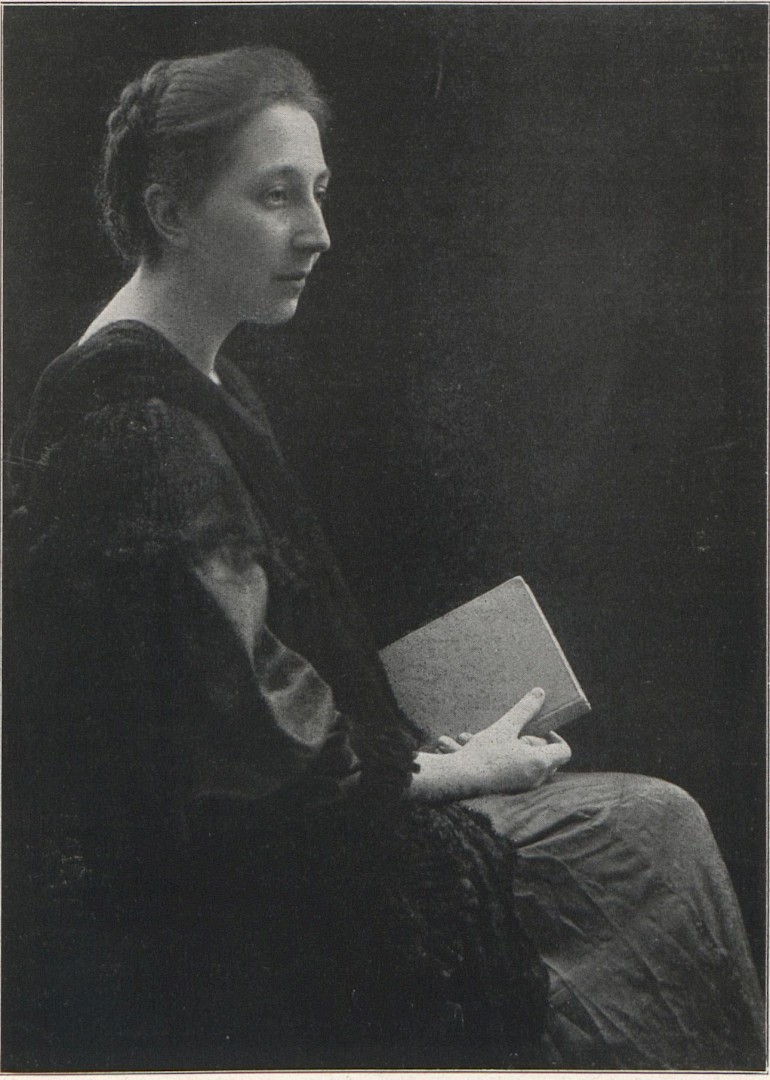
…that Haus Pröbsting has also left its mark on literature?
The novel *Haus Elderfing* by Ilse von Stach (1879–1941), published in 1915, offers a literary glimpse into this world. The author was born at Haus Pröbsting near Borken and spent part of her childhood there. Memories of this time later found their way into the novel. Thus, the book combines a real place and personal experiences with a fictional plot.
The novel thus offers another perspective on Haus Pröbsting. However, a novel is not a factual account: memories and historical contexts may be intertwined with fictional events. The connection to Haus Pröbsting is well-documented. Whether the curse legend is also addressed in the novel remains unclear based on the sources examined. The book does not serve as proof of the traditional curse.