The Devil in the Monastery Barn
The Story
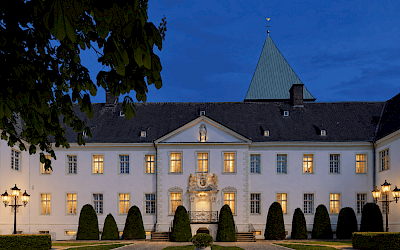
At the Liesborn Abbey in Wadersloh has housed a museum since 1966. Prior to that, the complex served as a monastery for centuries.
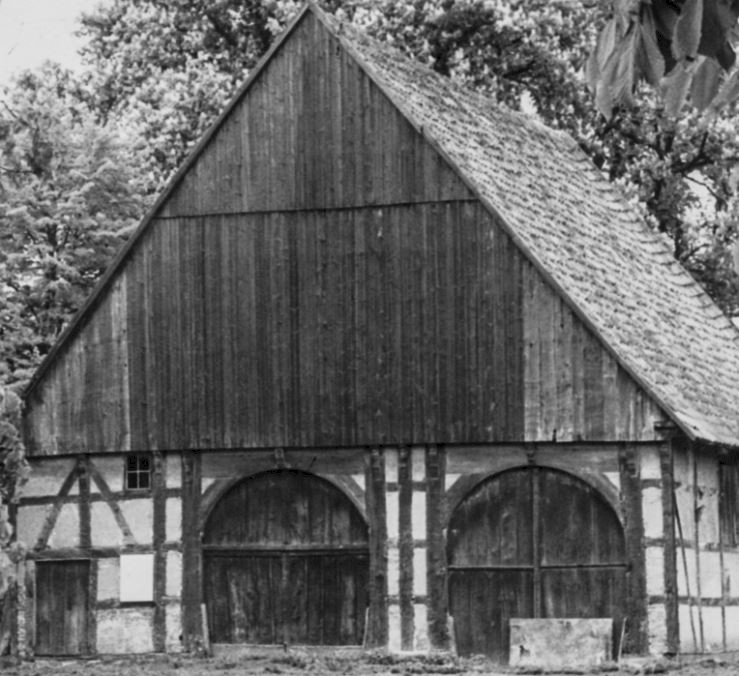
At that time, so the story goes, a devil was up to no good there. He is said to have lain in wait at the monastery barn for people on their way to the monastery. Hidden among the trees and bushes, he is said to have frightened those passing by.
It was only a devout priest who managed to lock the devil inside the monastery barn with the help of prayers. The residents of Liesborn were said to have been relieved and avoided the barn from then on.
Only once every few years would a few daring young men pluck up their courage and enter the barn. The devil, however, remained locked up there for many years and drove away every intruder.
According to tradition, many years passed before the barn burned to the ground after being struck by lightning . Some say that the devil, shrouded in a black cloud of smoke, flew away at that moment.
The Devil as the Antagonist of Faith
In folklore, the motif of the “Schimmelreiter” refers to a mysterious or ghostly rider on a white horse. This allows the Gemener tradition to be classified within the broader European folklore tradition of ghost riders and revenants.
Such figures often appear at night and are bound to specific locations. Depending on the tradition, they may warn of danger, foretell misfortune, or—as restless spirits—return repeatedly to a particular place. The Schimmelreiter of Gemener, however, plays a comparatively positive role: He does not threaten the castle but is said to continue protecting it even after his death.
The motif of the ghostly rider appears in numerous regional variations. There are overlaps, among other things, with tales of wild hunters, nocturnal riders, and restless spirits. However, a direct connection between these different legendary motifs cannot be proven in every single case.